0
Skip to Content
Antonia Williams
About
War Brief
Published Work
Contact
Antonia Williams
About
War Brief
Published Work
Contact

About
War Brief
Published Work
Contact
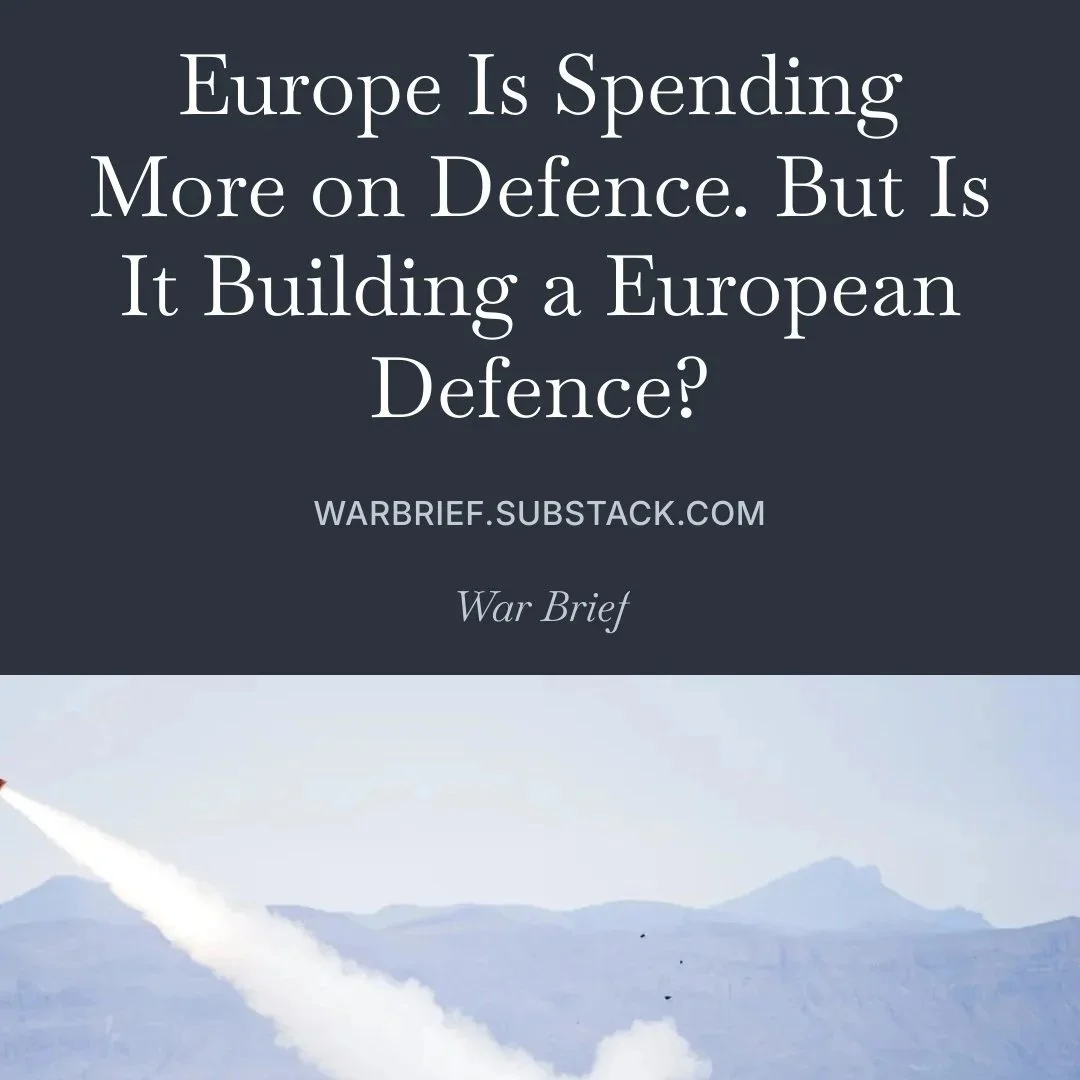
But Europe now faces a different problem. The question is no longer simply: are European countries spending enough on defence?

More than ever, it is: what kind of defence is all that money actually building?
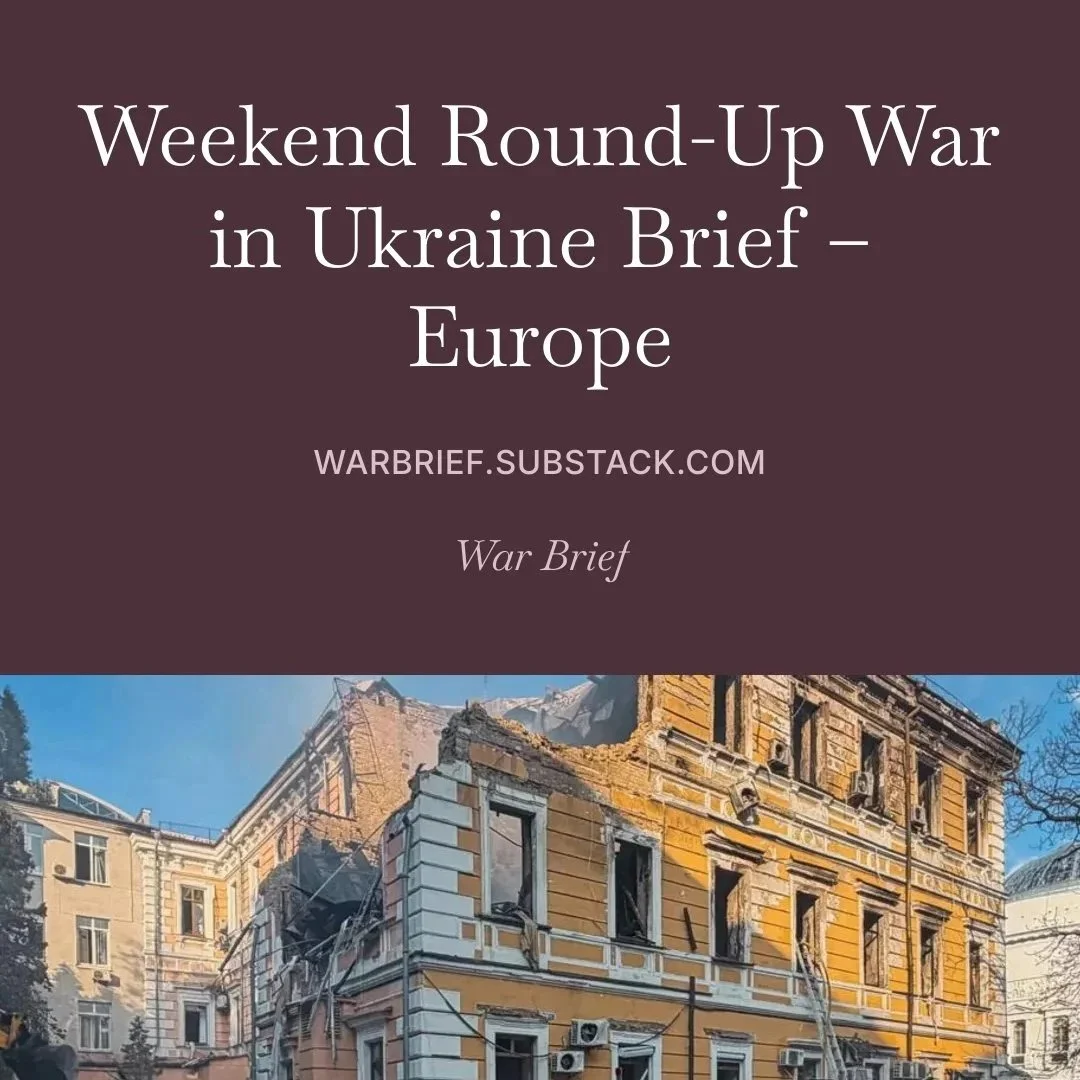
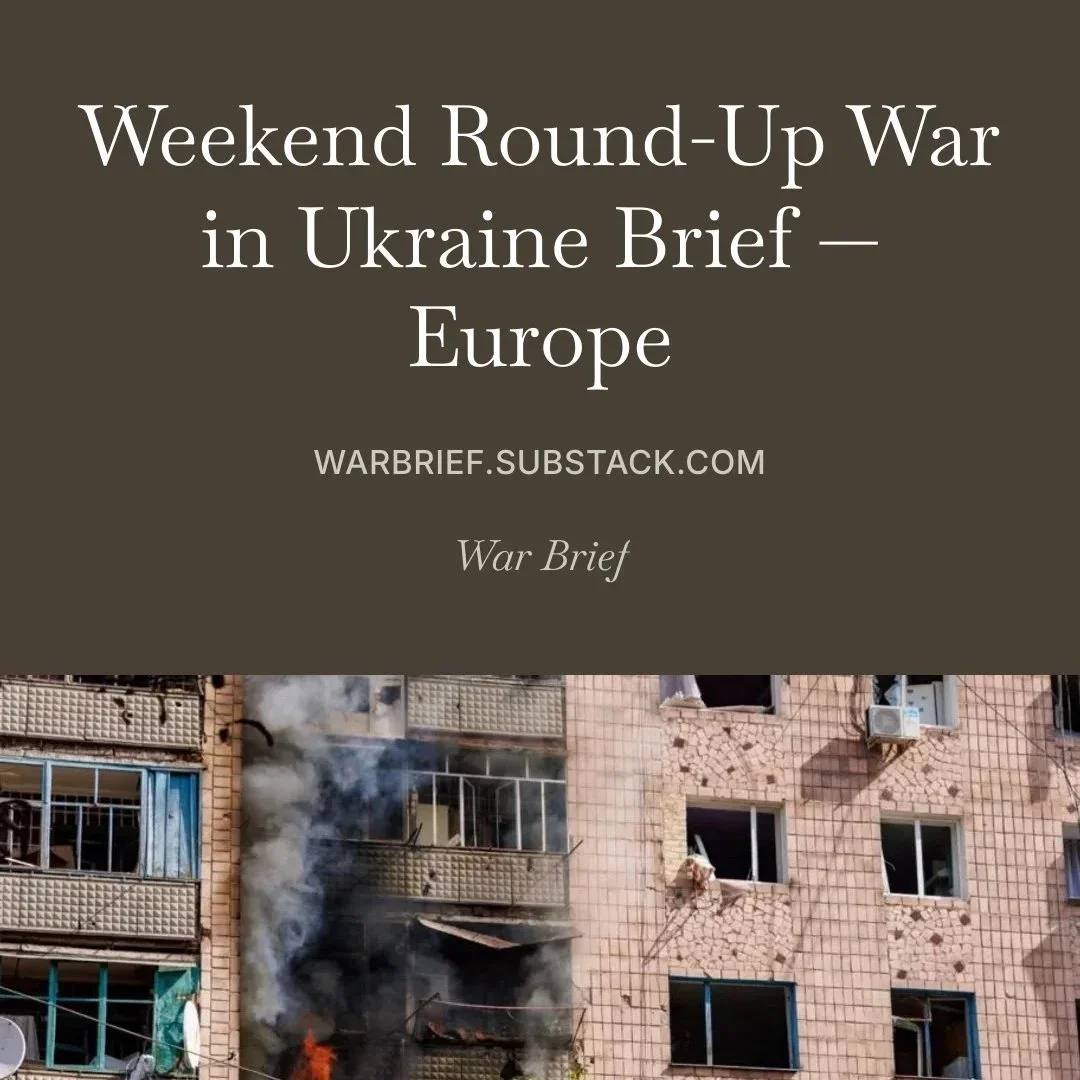
Russia intensified attacks on Kyiv’s transport infrastructure, striking the capital’s Northern Bridge during German Chancellor Friedrich Merz’s visit after several consecutive days of attacks on crossings over the Dnipro. Moscow is simultaneously mai
As news broke overnight on Sunday and developed throughout the week, the significance became clearer.

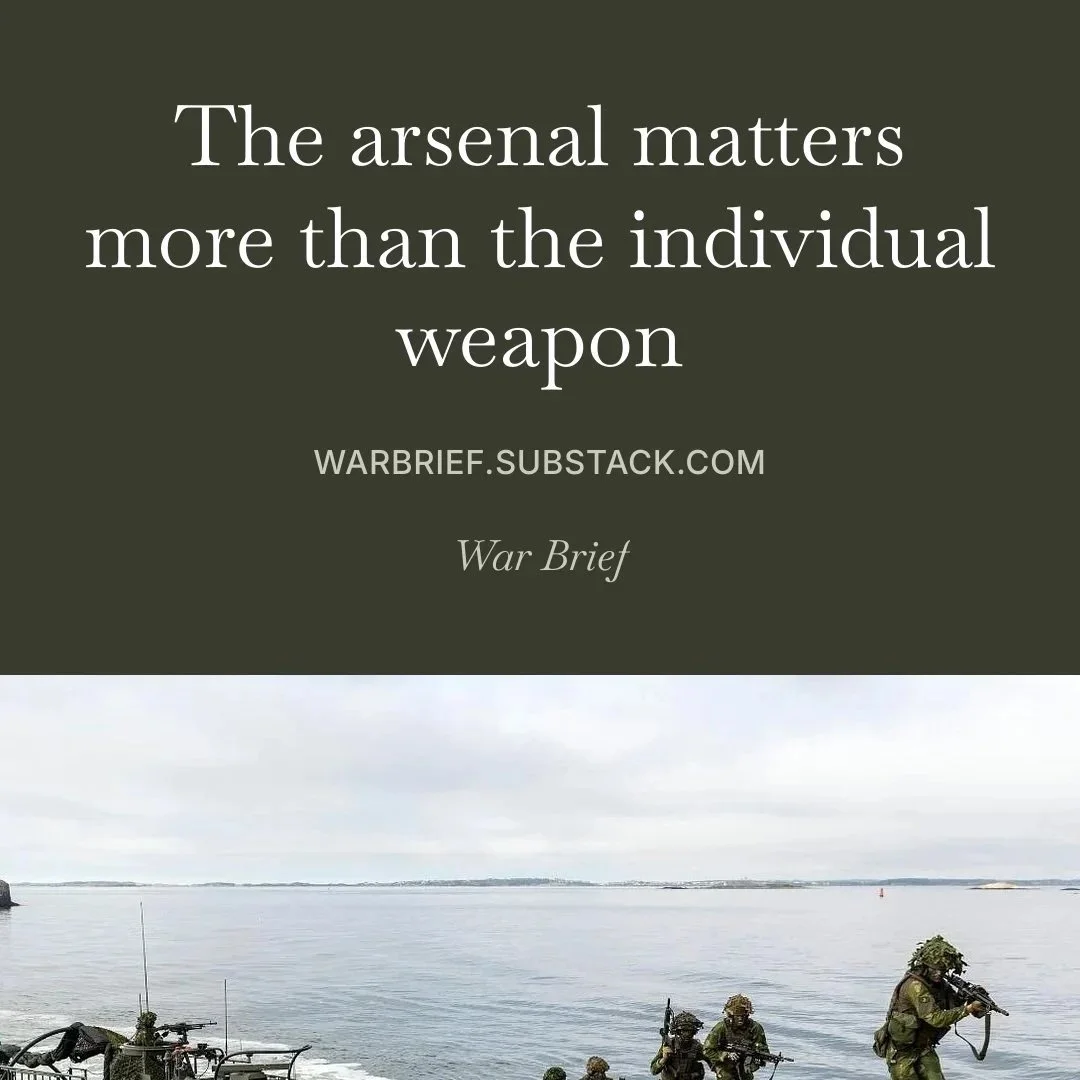
This wasn’t the debut of a single breakthrough weapon. It was the rise of a different kind of arsenal.
Russia continues launching ballistic missiles that Ukraine has few reliable methods of defeating without Patriot.
Europe has spent much of the past five years debating how much it should spend on defence.

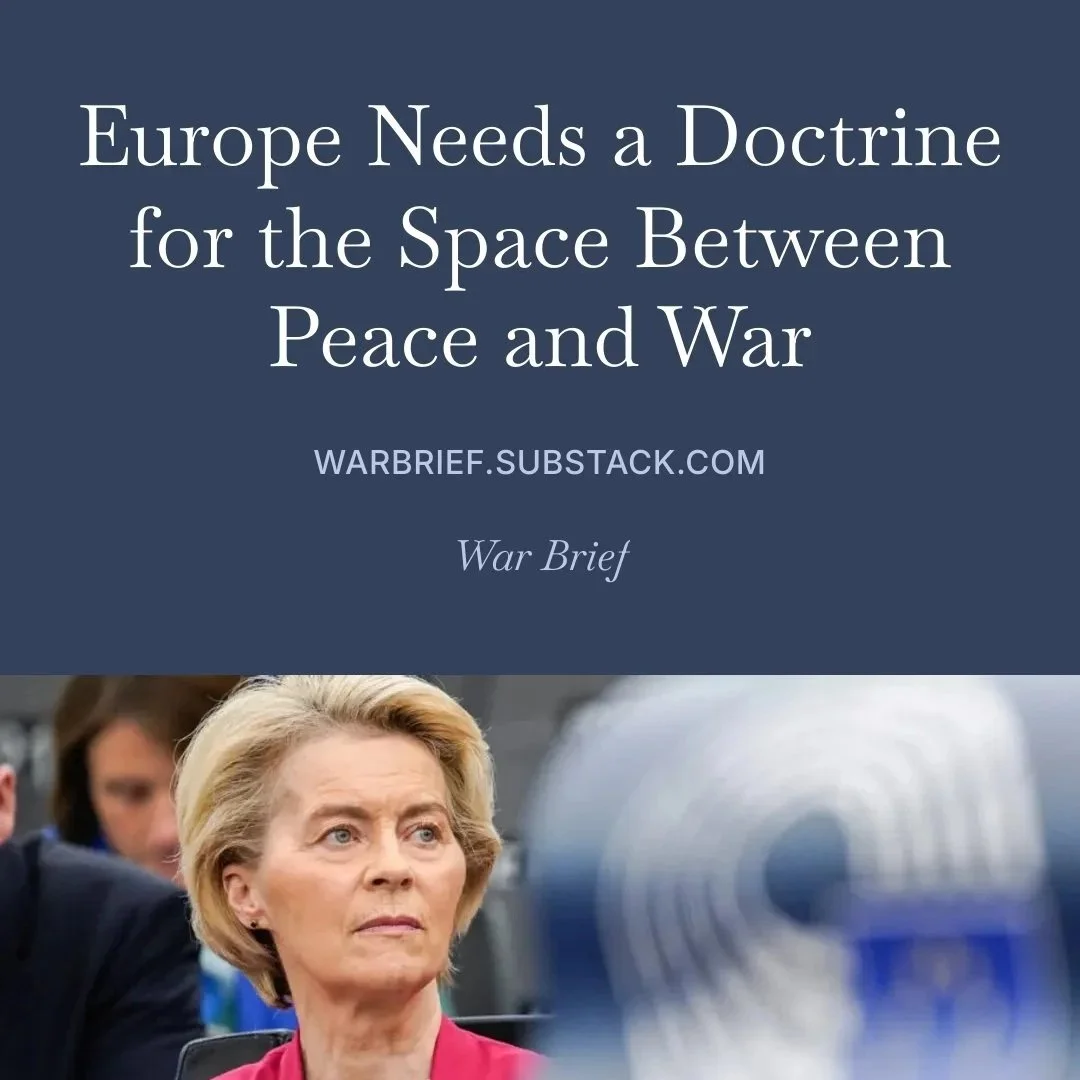
Ursula von der Leyen’s speech in Strasbourg this week raised a different question.
Europe heads into the new week with air and missile defence moving rapidly up the political agenda, as Ukraine seeks billions in EU financing for Patriot interceptors and NATO presses European governments to release more ammunition from their own inv
Ukraine wants to compress decades of missile development into two years. If Freyja succeeds, it could give Kyiv another layer of protection and Europe greater control over its own defence.
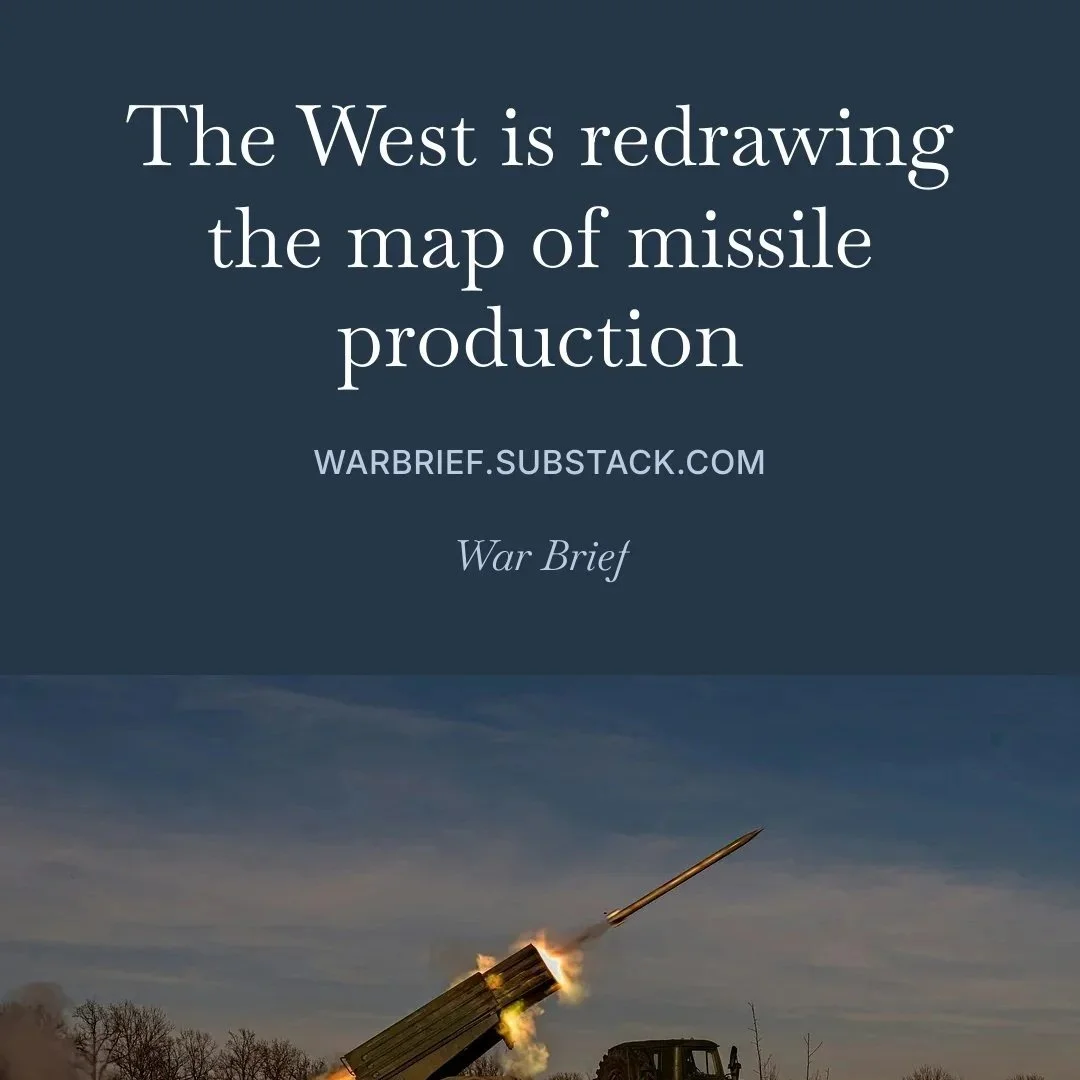
The emerging story is no longer simply that the West is running short of missiles. It is where—and under whose control—it will build the next wave of production.
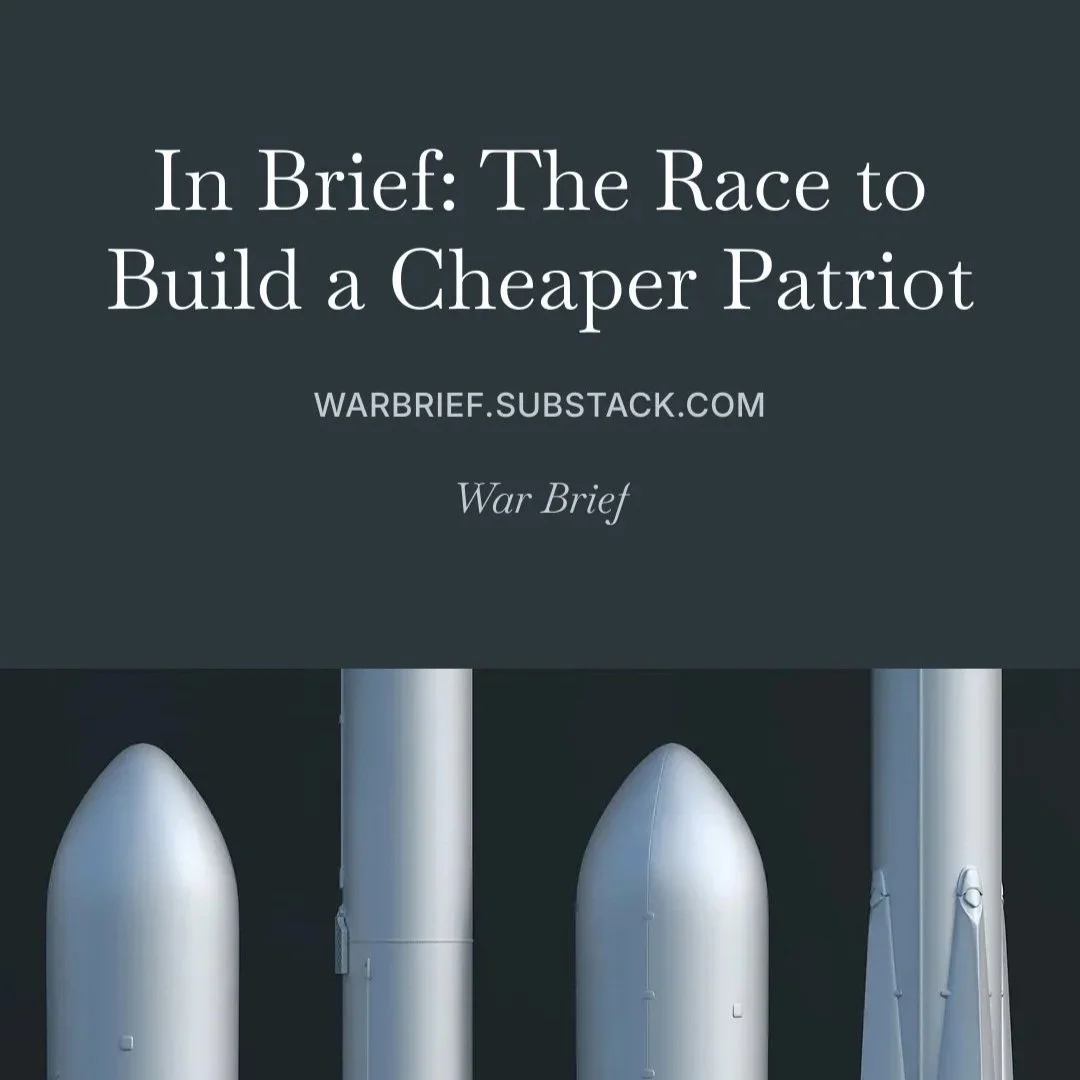
The Patriot missile has been the benchmark for Western ballistic missiles defence. It has intercepted everything from Russian Iskanders to the hypersonic Kinzhal. But modern wars are exposing a new problem: even the best interceptor is only useful if
There’s a contest taking place behind the headlines: who can replace armaments the fastest and sustain production once war begins.
Since the 2026 war, many analysts have argued that Iran has abandoned its long-standing doctrine of strategic patience in favour of greater military risk-taking. Iran’s direct exchanges with Israel certainly suggest a greater willingness to accept es

About Contact Follow